

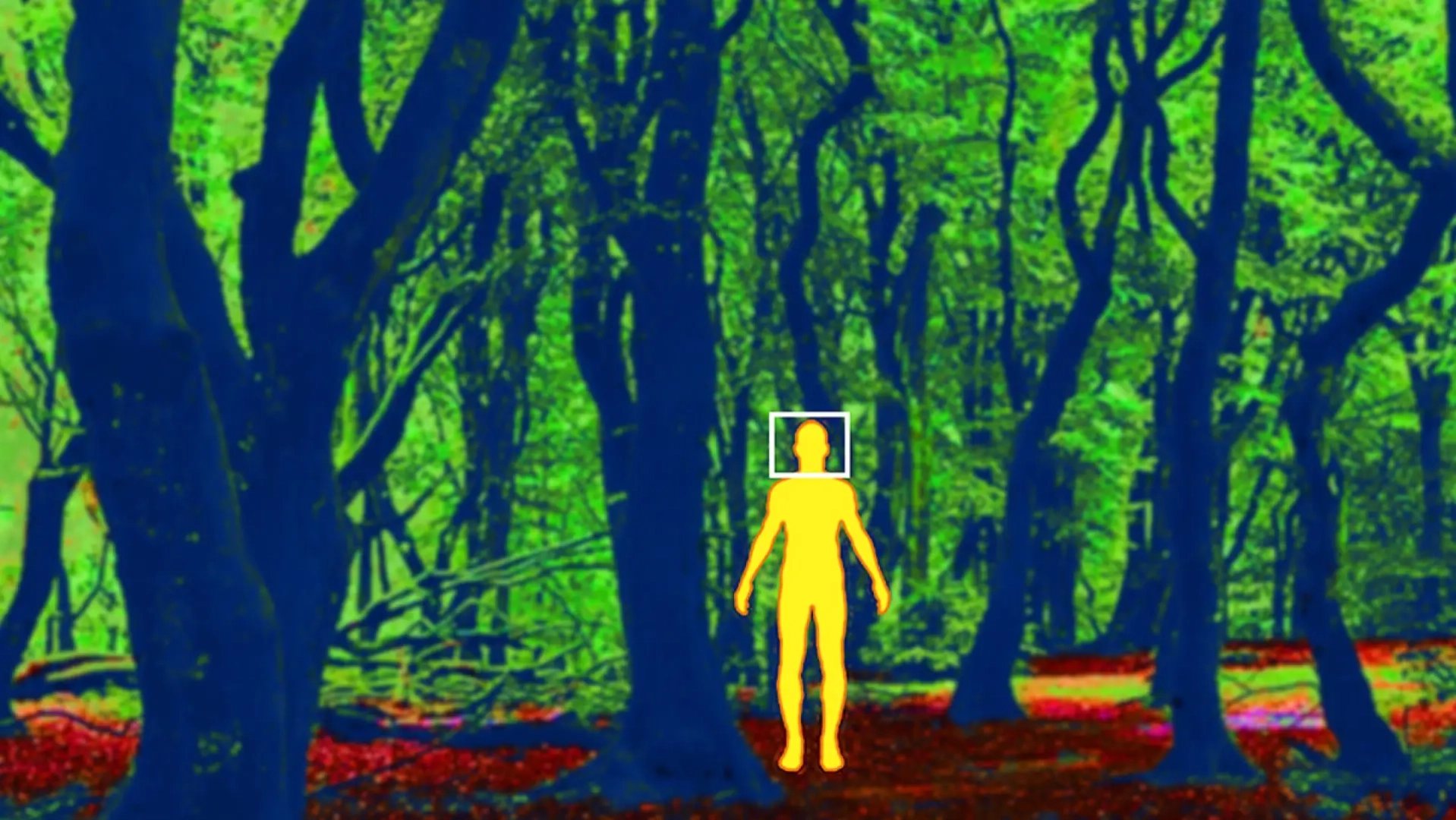
The invisible dialogue between trees and neurons.

The dendritic structure, an ancestral organizational pattern of complex biological systems, is proposed as an archetype, present outside and inside us.
Within a forest composed of trees or neurons, branches or dendrites, stems or axons, roots or synaptic nerve endings are intertwined, communicating with each other in a continuous dialogue, silent and invisible, powerful and synergistic, functional and effective.
In a relationship of inseparable and unstoppable collaboration, the life wave propagates through each individual element that makes up the forest, independent and self-sufficient, whose significance is nevertheless extrinsic in belonging to a higher system.
Delving into the trees, the spaces and paths of the green forest and the mind are strikingly similar. Everything is seemingly stationary, but instead in constant motion and becoming: trees being born and dying, branches stretching, touching or drying, voids and fullnesses being created or disappearing, electrical and chemical messages orchestrating an interminable evolution.
Human boundaries dissolve, the bodily envelope dematerializes: seamlessly, the forest, seen by the eyes and surrounding us, finds a companion made in its likeness within our brains, no longer perceived but composing us, making us a whole, in which a harmonious and sympathetic dialogue appears possible, if not inevitable.
IMAGE
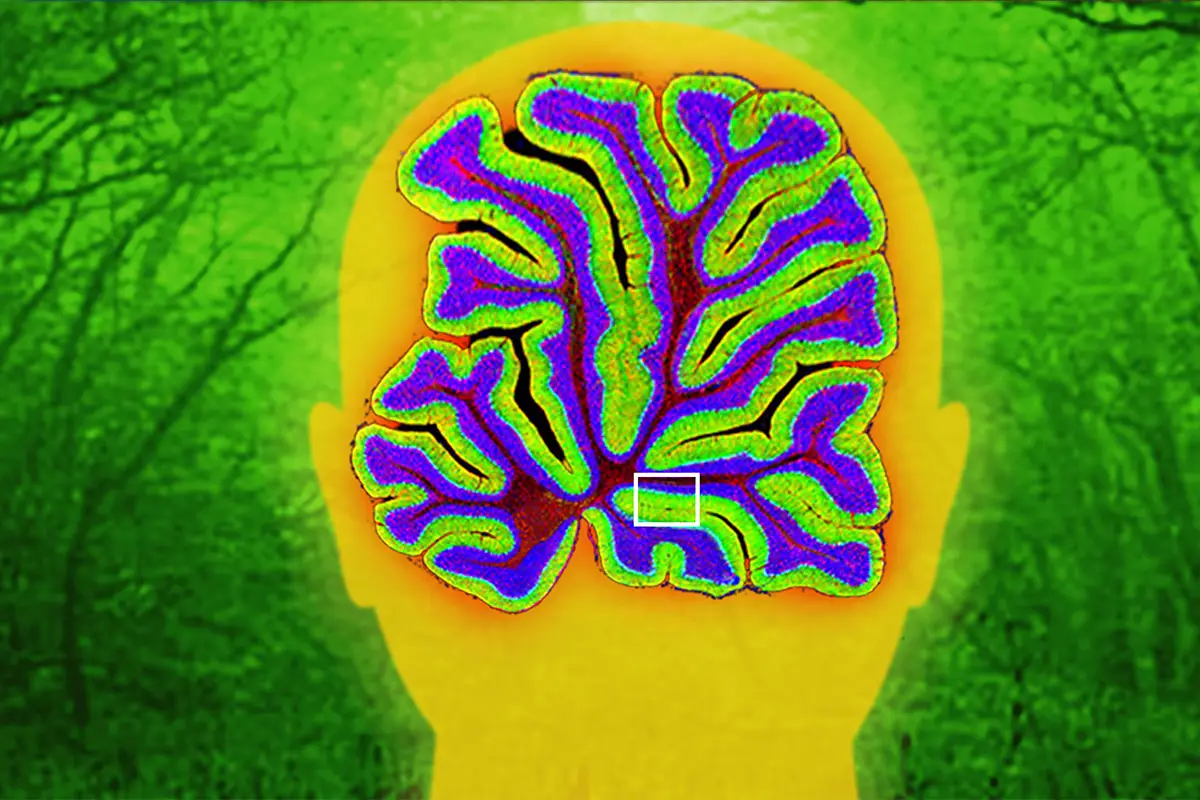
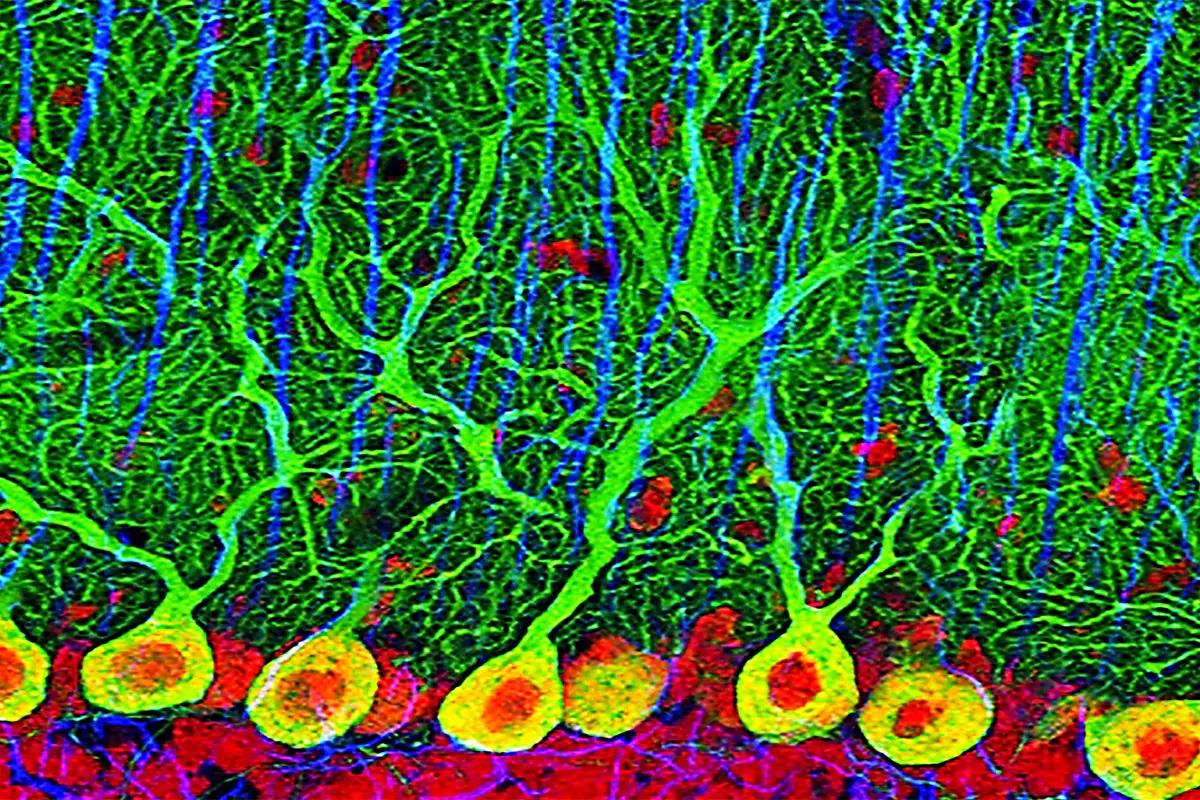
Description, from top to bottom:
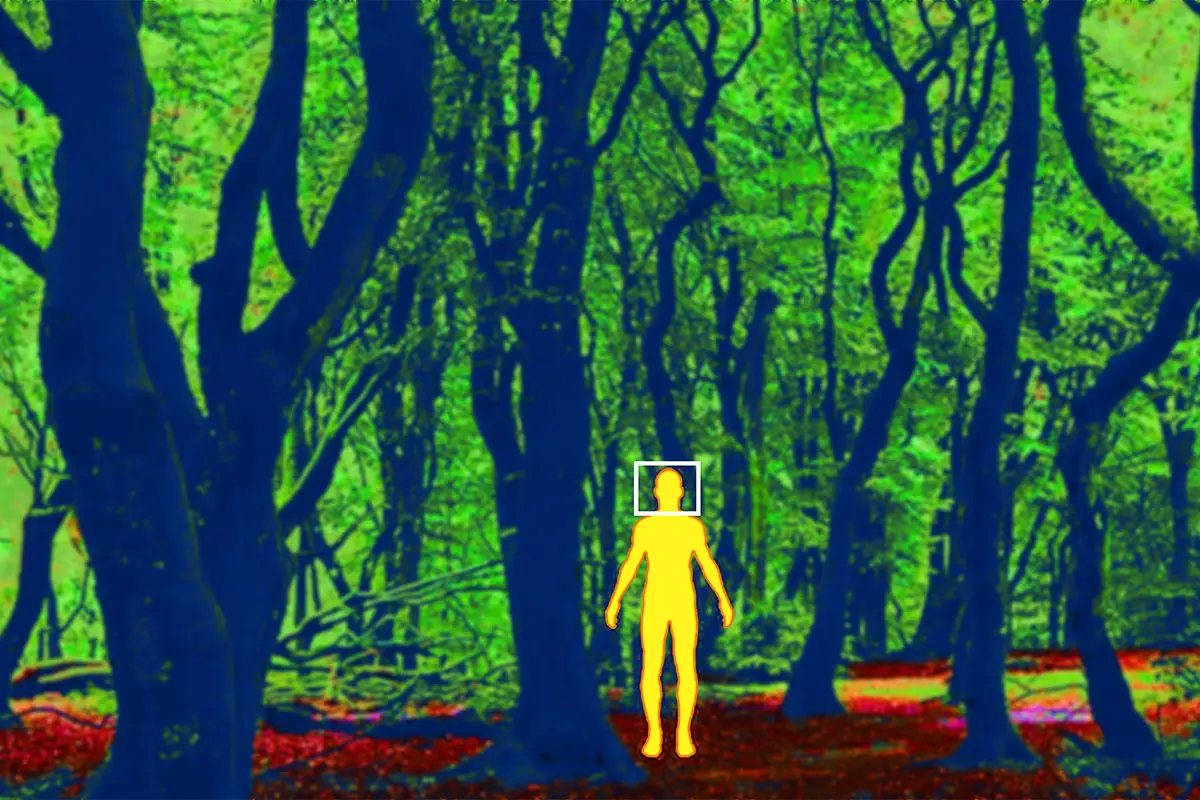
1) a man walks through a forest, in which the trees form a dense mesh of vegetation in dynamic balance; zoom in on the man's head
2) section of the man's brain reveals a structure that resembles a tree canopy in shape; zoom in on a portion of the cerebellum
3) microscopic analysis of the organization of neurons, the cells that make up the brain, reveals a network of dendrites that form a forest of interconnections.